
August marks a turning point. The peak heat of summer is starting to fade, and fall is just around the corner. It’s the perfect moment to step back and think about your roof—not just for the season ahead, but for the entire year.
Here’s the truth most homeowners overlook: your roof faces different challenges in every season. Summer bakes it. Fall buries it in debris. Winter piles on snow and ice. Spring pounds it with storms. Each transition brings a fresh round of wear, and small problems have a way of quietly growing into expensive ones.
The best defense is proactive roof maintenance. When you stay ahead of seasonal wear with regular roof maintenance, you catch issues early, extend the life of your roof, and avoid the stress of emergency repairs. Let’s look at what each season demands and the simple habits that keep your roof strong all year long.
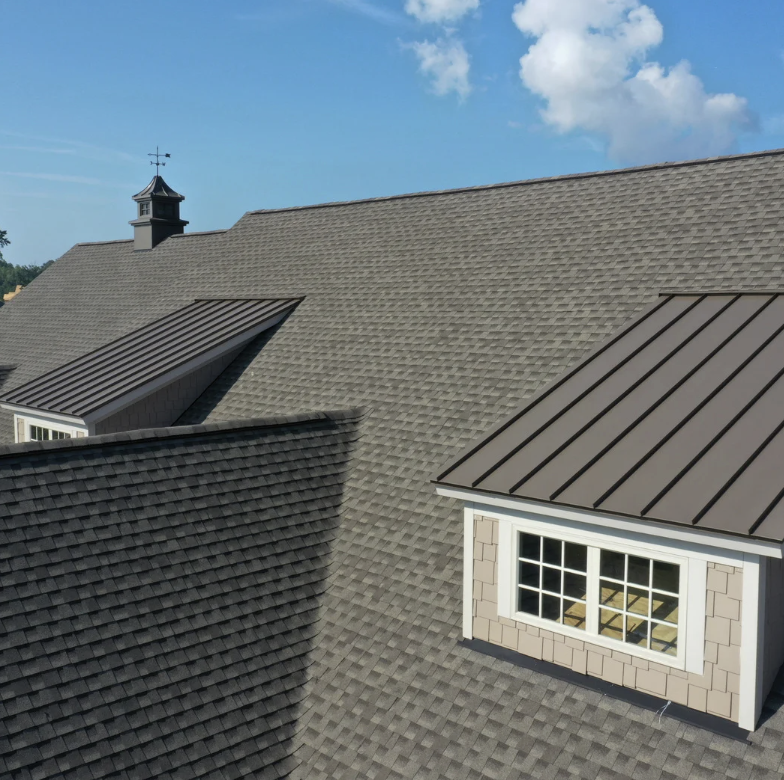
How Each Season Challenges Your Roof
Your roof works hard around the clock, and the type of stress it faces shifts with the weather. Understanding these seasonal patterns helps you know what to watch for and when to act.
Summer: Heat and UV Damage
Long, hot days take a serious toll. Constant sun exposure dries out the protective oils in asphalt shingles, leaving them brittle and prone to cracking. Ultraviolet rays fade the surface and wear away the protective granules that shield your roof from further damage.
Summer heat also builds up in your attic. Without good airflow, that trapped heat cooks your roof from underneath, speeding up shingle aging and driving up your cooling bills. By the end of August, your roof has already absorbed months of this stress.
Fall: Debris and Moisture
As the leaves start to fall, they pile up in your gutters and settle into roof valleys. This debris traps moisture against your shingles and blocks proper drainage. When water can’t flow freely, it backs up under the shingles and finds its way inside.
Fall is also a season of temperature swings and steady rain. Clogged gutters and lingering dampness create the perfect conditions for leaks, rot, and mold to take hold.
Winter: Ice and Snow Load
Cold weather brings some of the harshest conditions your roof will face. Heavy snow adds significant weight to your roof structure. Ice dams form along the edges when snow melts and refreezes, forcing water back under your shingles.
Freezing and thawing cycles are especially damaging. Water seeps into small cracks, freezes, expands, and makes those cracks larger with every cycle. What starts as a tiny gap can widen into a real leak by the time spring arrives.
Spring: Storm Damage
Spring storms deliver a one-two punch of high winds and heavy rain. Strong gusts can lift, curl, or tear away shingles and loosen flashing. Persistent rain then exposes every weak spot left behind by winter.
Hail and flying debris add to the damage, stripping granules and denting gutters. Spring is often when hidden winter damage finally reveals itself—usually as a stain on your ceiling.
Key Maintenance Habits That Protect Your Roof
The good news is that protecting your roof doesn’t require constant effort. A handful of consistent habits, timed to each seasonal transition, make all the difference.
- Schedule regular inspections. Aim for at least two professional inspections a year—one before summer heat and one before winter. These check-ups catch small problems while they’re still easy and affordable to fix.
- Clean your gutters and downspouts. Clear out leaves, twigs, and buildup so water drains freely. Well-functioning gutters protect both your roof and your foundation from water damage.
- Check your shingles. Look for cracked, curled, or missing shingles, along with bald spots where granules have worn away. Spotting these signs early helps you plan repairs before a leak forms.
- Maintain attic ventilation. Make sure vents are clear and airflow is balanced. Good ventilation keeps your roof deck at a stable temperature and helps prevent moisture buildup year-round.
- Inspect your flashing. The metal flashing around chimneys, vents, and skylights seals out water at your roof’s most vulnerable points. Keep an eye out for lifted, bent, or rusted sections that need attention.
These habits work best when you tie them to the changing seasons. A quick check at each transition keeps you one step ahead of the weather.
Why Proactive Roof Maintenance Beats Reactive Every Time
Here’s the single most important thing to understand about roof maintenance: problems never fix themselves. A small crack, a clogged gutter, or a lifted shingle only gets worse with each passing season.
Wait long enough, and a minor repair turns into a major one. A tiny leak becomes soaked insulation, then a rotted roof deck, then a full replacement. Meanwhile, the cost climbs at every stage.
Proactive roof maintenance flips that story. When you address issues early, you spend a fraction of what an emergency repair would cost. You also gain something harder to measure—peace of mind knowing your home is protected no matter what the season brings.
Think of it this way: a little attention now saves you from big, stressful surprises later.
Get Your Roof Ready for Fall with Dura Roofs
August is your window of opportunity. Your roof has weathered a full summer of heat and UV exposure, and fall’s debris and moisture are right around the corner. Now is the ideal time to assess where things stand and make any needed repairs while the weather is still on your side.
At Dura Roofs, we know exactly how each season affects roofs in our area. Our experienced team provides thorough, honest inspections that cover your shingles, flashing, gutters, attic ventilation, and roof structure from top to bottom. We’ll show you what needs attention now and what’s holding up well, so you can head into fall with confidence.
Contact Dura Roofs today to schedule your professional roof maintenance inspection before fall arrives. Staying ahead of the seasons is the smartest way to protect your roof, your home, and your budget all year long.
